The proposal to establish a Nakba exhibit at the Canadian Museum for Human Rights in Winnipeg raises serious concerns about balance, timing, and Canada’s role in a volatile global conflict. At a moment of escalating violence in the Middle East — including the widening confrontation between Israel and Iran and its proxies — Canada should be exercising measured leadership, not amplifying one side of an unresolved war.
Canada has long cultivated a reputation as a principled middle power committed to peacekeeping, neutrality, and post-conflict reconciliation. Its response to the 1994 Rwandan genocide — though imperfect — ultimately reinforced the importance of sober reflection, international accountability, and structured reconciliation after violence ends. Canada’s own Truth and Reconciliation Commission demonstrated that durable healing requires investigation, inclusion, and participation by all affected communities.
Mounting a Nakba exhibit in the midst of violence, hardly fosters reconciliation. Post-conflict truth commissions work precisely because they follow investigation, cessation of violence, and participation from all sides. That process has not yet occurred in Israel and Palestine.
By contrast, the proposed exhibition, Palestine Uprooted: Nakba Past and Present, scheduled to open in June 2026, risks entrenching a singular narrative while a war is still unfolding. The Nakba — meaning “catastrophe” — refers to the displacement of Palestinians during the 1948 Arab Israeli war. That history is real and deserves study. But presenting it in isolation, particularly if Israel is depicted solely through the lens of settler-colonialism, reduces a profoundly complex and contested conflict into a one-dimensional morality play.
Museums dedicated to human rights carry a special responsibility. They must illuminate, not inflame. They must contextualize, not polarize. An exhibit focused exclusively on Palestinian dispossession, without equal treatment of Jewish historical trauma, regional wars initiated by neighboring states, terrorism, and failed peace efforts, risks importing the conflict into Canada’s own social fabric.
Canada today supports both Palestinian self-determination and Israel’s right to security. It has avoided assigning exclusive blame and has backed international legal processes examining both Hamas and the current Israeli government. A Nakba exhibit, at this juncture, risks undermining that balanced approach.
There is nothing inherently wrong with documenting Palestinian history or suffering. Indeed, acknowledging human pain is essential to justice. But timing matters. Context matters. Inclusivity matters even more.
If Canada wishes to contribute meaningfully to peace, it should support initiatives that bring Israelis and Palestinians together in shared dialogue and post-conflict reconciliation — not projects that may deepen division while the war still rages.
Human rights institutions must rise above advocacy and resist becoming instruments of contemporary political campaigns. The path to peace will require difficult truths from all sides. A museum committed to human rights should reflect that complexity, not simplify it.
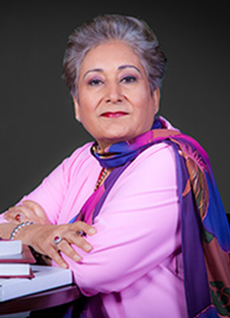
Raheel Raza and Shukri Hilowle are Directors of The Council for Muslims Against Antisemitism